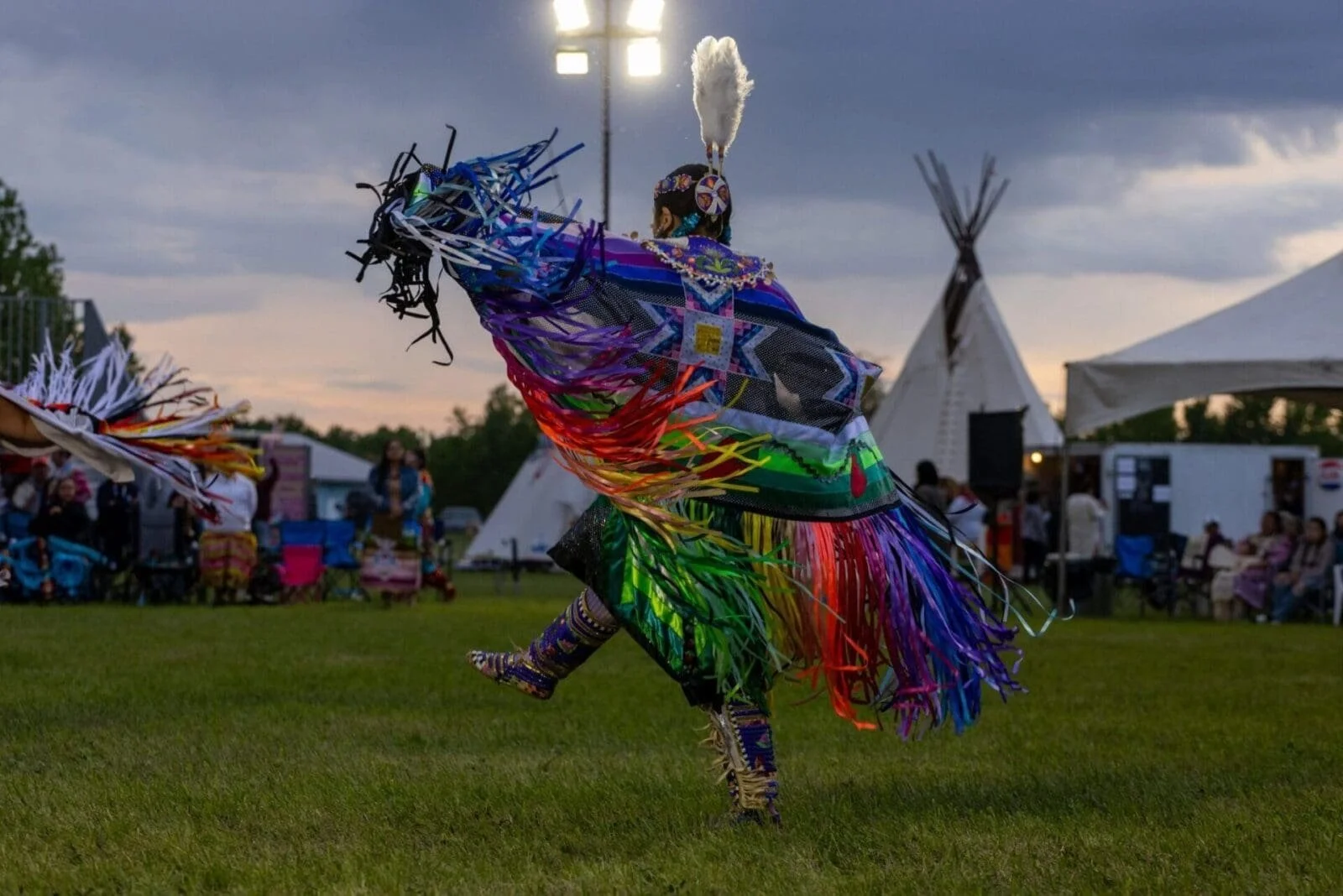
Common Questions About Landback, Answered
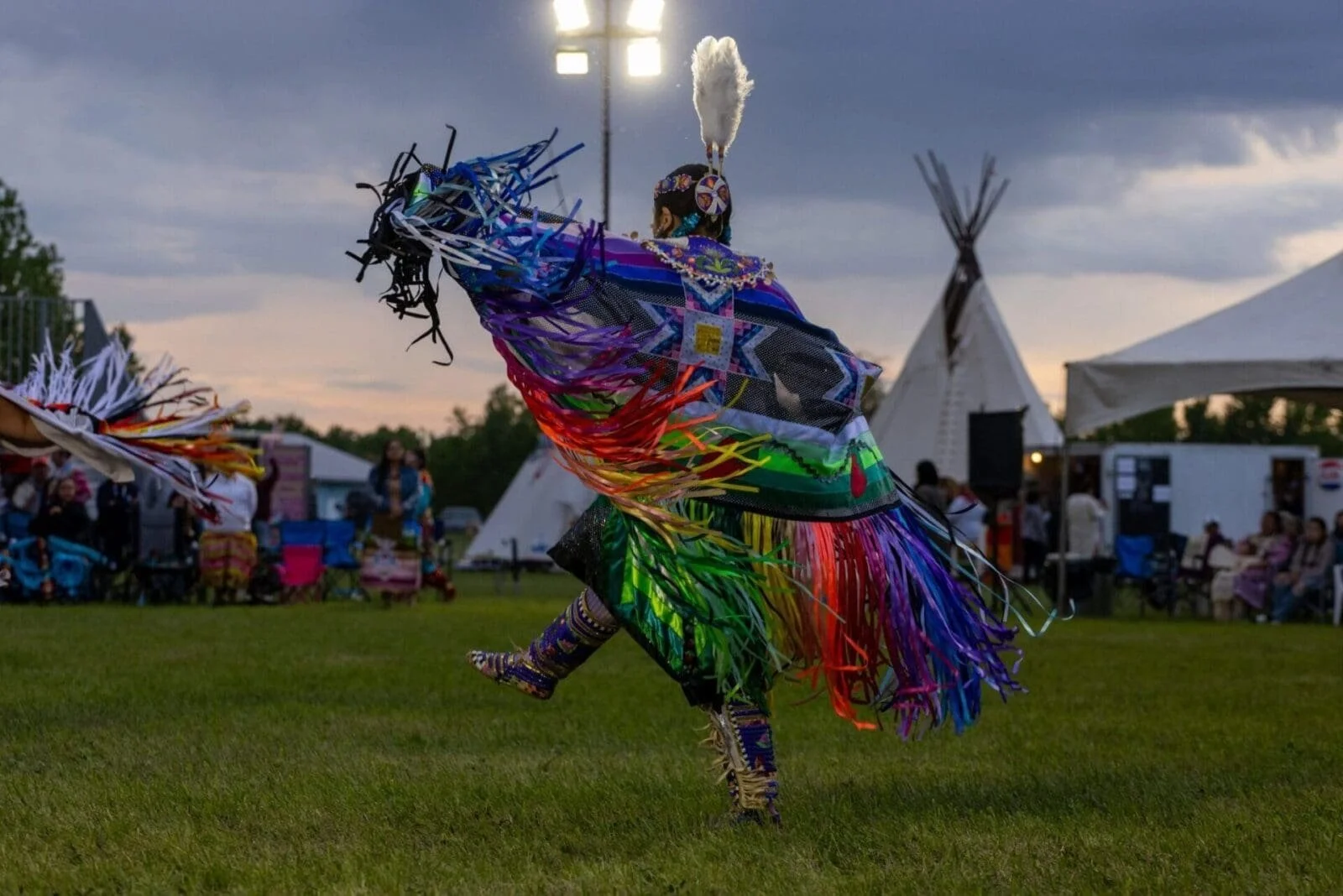
Introduction
Yesterday, while speaking with an Indigenous person about allyship, I received a call to action. I was asked to spread awareness about the Landback movement. Landback is a topic of significant controversy in so-called Canada, where anti-Indigenous sentiment is still common. Today, I am honoring the call to action I received and want to talk to you about Landback; what it is and what it means for settlers.
A quick disclaimer before we begin: I myself am a settler of European descent. I am not, nor do I claim to be, an expert on the subject of Landback. I am simply sharing with you what I have learned from the Indigenous folks I’ve spoken with. If you want to do further research on the Landback movement after reading my article, there are plenty of resources online written by Indigenous people. I advise you seek them out. Here is a great place to start.
Landback - What Is It & What Does It Look Like?
At its core, the Landback Movement is an Indigenous lead movement that seeks the return of Indigenous sovereignty and governance over the land. It is an act of resistance against the systems and governments that seeks to destroy the Indigenous peoples, their cultures, and their spirits. It is a way to fight back against the beast that is colonialism.
Answering the question of what that looks like is more difficult, as it means different things to different people and different Nations. For some, Landback means that all the land is returned to Indigenous hands. For others, it means honoring the treaties that were broken by colonizers. And for others still, it simply means that Indigenous voices are given more power when it comes to how the land is used and conserved.
Does Landback Mean Settlers Will Be Kicked Off The Land?
While this is certainly a view of some Indigenous people, the majority of people I’ve met do not want to kick settlers off of Turtle Island. I believe that the fear of this happening comes from the colonial “us vs them” mindset. This mindset says that because colonizers waged war and stole the land from Indigenous peoples, that Indigenous people must want to do the same to settlers. Which just isn’t true - many Indigenous people have settler friends or family members, after all!
What it does mean is that settlers might have to share their private property, or pay a small tax to live on the land. For example, ranchers might have to be willing to take guidance from Indigenous peoples in the best way to use the land, or it could mean that Mount Rushmore is no longer open as an attraction (it’s a celebration of white supremacy and genocide, anyway. Ew.).
If you’re a home owner, don’t worry; your house will still be yours. Indigenous people are not trying to displace you.
Why Does Landback Matter?
Landback matters because it is a chance for Indigenous peoples to live in full connection with themselves and with the land, in a way that is largely not possible under colonial systems. It is an opportunity to more effectively bring back endangered ceremonies and languages, reconnect with ancestors, and honor traditional ways of knowing and living in connection with the land. These are all things that are hugely significant in creating better outcomes for Indigenous people.
If you care at all about climate change and conservation, then Landback should matter immensely to you. Indigenous peoples are the world’s best protectors of biodiversity, with some research suggesting that they currently protect as much as 80% of the world’s remaining biodiversity. Additionally, there has been significant environmental restoration when land is placed back into Indigenous hands.
Finally, Landback is a chance for settlers and Indigenous people to move forward together; not as enemies, but as allies. It is an opportunity to heal the land, each other, ourselves, and our communities. That is a beautiful thing!
How Can Settlers Support Landback?
To support Landback, settlers must learn to take a back seat. For far too long, Indigenous people have been silenced, talked over, and ignored. Their resistance to colonialism has been labeled as “extremism”, and white settlers have been taught to view them as dramatic people who need to “get over” the “past”. It is time for us, as settlers, to stop talking and begin listening to Indigenous voices. If an Indigenous person tells us about their experience with racism and colonialism, it is not our place to argue with them or invalidate their experiences.
The best way that we, as settlers, can support Landback is by spreading awareness.
Algorithms favor white folks. If you’re white, use your platform to center Indigenous voices by reposting their videos, and always remember to credit them.
Follow Indigenous creators on social media. Listen to what they have to say. Don’t automatically jump to defensives if you get called out. I personally recommend following Notorious Cree, Che Jim, Shina Nova, Indigenous TV, Show Me Your Mask, and the NDN Collective.
Talk to your settler friends and family about Landback and Indigenous liberation. If you hear something racist or incorrect, say something.
Use your self-expression to spread the word. Stores like Resist Clothing and Red Rebel Armor are great Canadian, Indigenous-owned clothing brands to support. If you’re an artist, writer, poet, or any other form of creative, consider ways that you can use your talents to support the Landback movement and other Indigenous liberation efforts.
If you have the money, consider donating to Indigenous-lead reconciliation and decolonization efforts, such as your local friendship center or the National Center for Truth & Reconciliation.
Conclusion
Landback is not something that settlers need to be afraid of. Instead, it is a powerful movement that guarantees a better future for everyone; Indigenous, settler, and non-human alike. It’s time for settlers to stop dominating the conversation and instead listen, learn, and support Indigenous people as they create the path forward.
Until next time, dear reader!
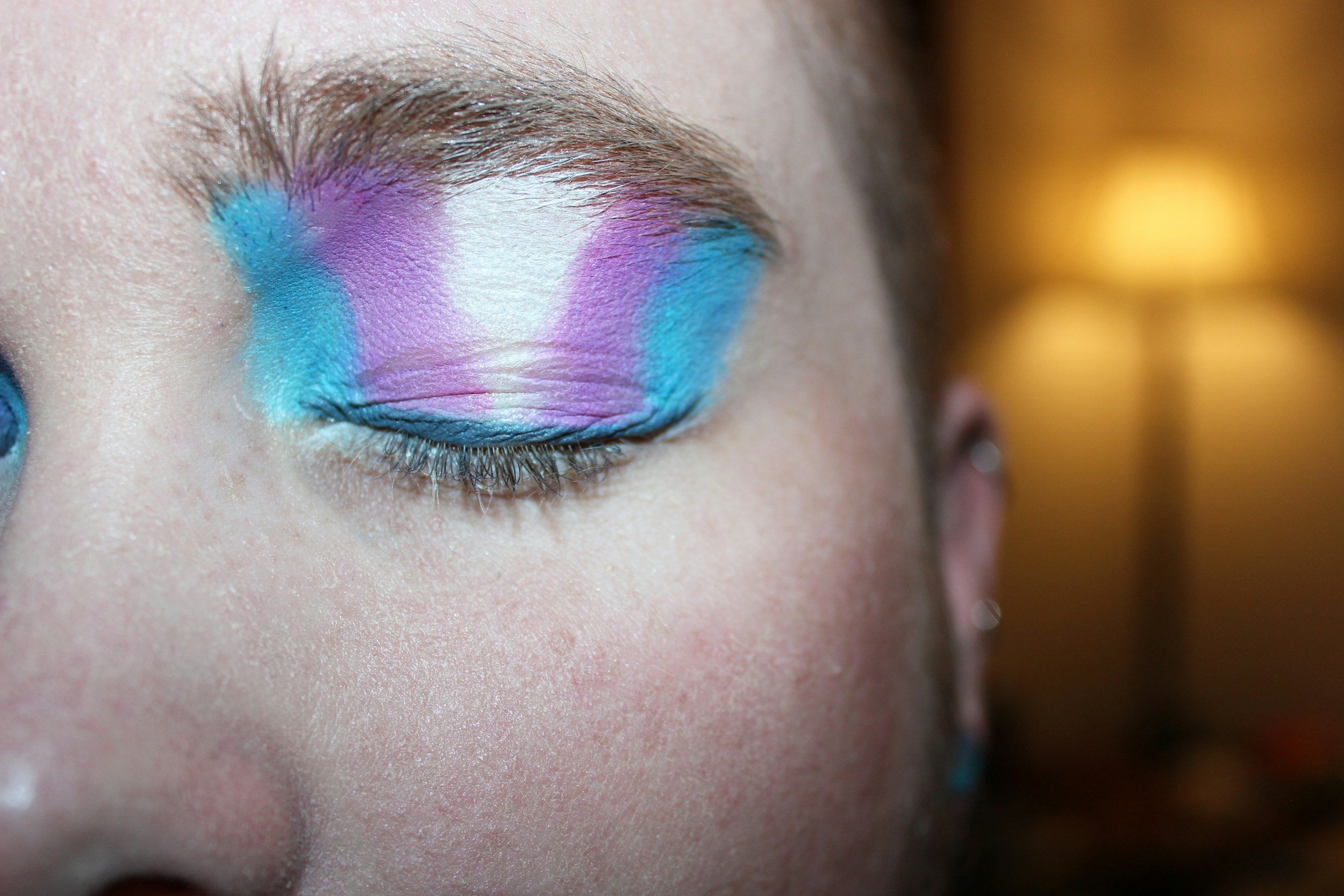
11 Myths You Might Believe About Transgender People
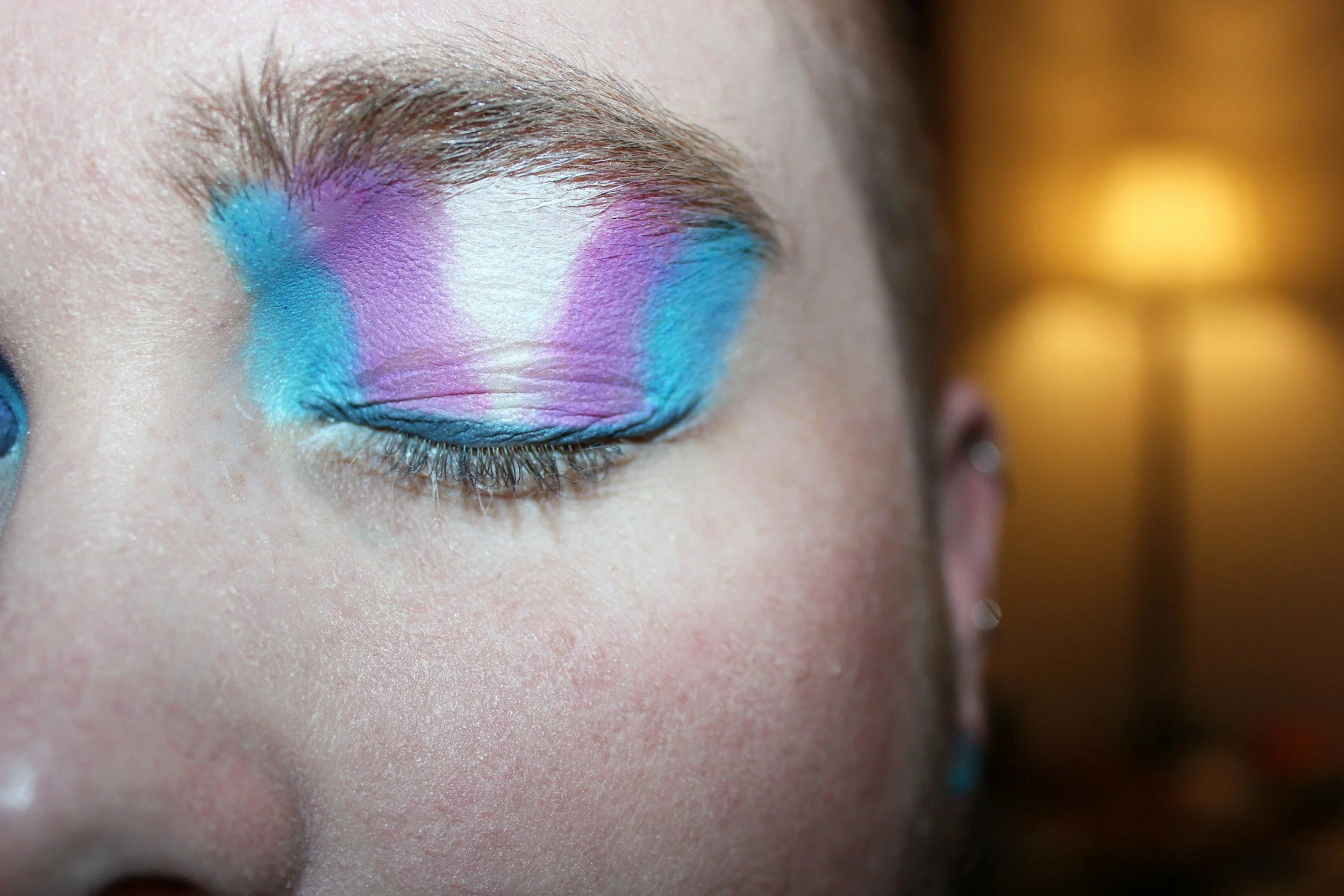
Introduction
Throughout the nine years I’ve spent living as a transgender man and participating in human rights advocacy, I have come to learn that many people have misconceptions about people like me. Unfortunately, most of these misconceptions are far from harmless. They come with serious and direct consequences for trans people, including increased risk of mental health struggles, physical violence, and worse.
My goal with this article today is that, whether you’re just learning about trans folks or you’re a long-time ally, or even trans yourself, you learn something! And I hope that, with what you learn, you’re able to help debunk these myths when you see folks spreading them as fact.
So, without further ado and in no particular order, here are 11 myths you might believe about transgender people:
Myth #1: Being trans is a choice
Fact: Just like being gay or straight, being transgender isn’t a choice.
Research shows that people who are transgender are born that way, and it’s likely to be influenced by genetics, hormones, and environmental factors while in the womb.
Studies have shown that the brain structure of transgender people is different than that of cisgender people; our brains align more closely to that of the gender we identify with then the sex we were assigned at birth. For trans women specifically (people who are born male but are actually women), one study showed that a difference in ability to process the hormone androgyn may result in a more female brain structure.
This shows that being trans is not a choice, but rather a complex, natural phenomenon rooted in biology.
Myth #2: Trans people just have a fetish
Fact: There is no reliable evidence to suggest that being transgender comes from a place of sexual interest.
This myth originates from Ray Blanchard’s theory of “autogynephilia”, or men being sexually aroused at the idea of becoming women. While autogynephilia was listed as a specifier for transvestic disorder in the 2013 edition of the DSM, the DSM did not list autogynephilia as a disorder in itself, and did not include trans women in it’s definition.
It’s important to note that while transvestic disorder is a legitimate diagnosis in some countries, it has nothing to do with transgender people. Rather, it is defined as an intense and recurrent sexual arousal at the idea of cross-dressing, with the arousal being so strong that it interrupts social and occupational functioning. In contrast, transition for trans people is much deeper then simply cross-dressing, and we are not sexually aroused at the thought of transitioning.
To go back to Ray Blanchard’s theory of autogynephilia, his research on the matter was inherently flawed. His surveys were intentionally designed to produce his desired outcomes, he confused correlation with causation, he used no controls, accused those presenting conflicting evidence of being liars, refused to consider alternative explanations for his findings, and he failed to address the existence of trans men and non-binary people in his research. Yikes!
Myth #3: Trans people want to replace women
Fact: We have no intention or desire to replace cisgender women. In fact, many trans people are staunch supporters of the feminist movement!
When we use terms like “people with uteruses” or “people who breastfeed”, this is not to erase the term “woman”. Rather, it is to acknowledge the fact that not everyone who has these experiences are actually women. Some people with these experiences are men or are non-binary. Plus there are plenty of women, both cis and trans, who don’t have uteruses or who don’t breastfeed.
If you have a uterus or do choose to breastfeed, and you identify as a woman, then it is still perfectly acceptable to call yourself a woman! We don’t need or want to take that away from you, ever.
We don’t want to replace cis women in women’s spaces or sports, either. Even if we did, it’s actually a statistical impossibility - trans women make up less than 1% of the global population. All we’re asking for is for trans women to be included. After all, they’re women, too!
Myth #4: Trans people want your kids to be trans
Fact: We don’t recommend being trans to anyone. Seriously. I give this experience a one-star review.
Half-joking aside, we really don’t want your kids to be trans. We are 4x more likely to be victims of violent crime than cis people, we are under constant attack from anti-trans legislation, and 32 - 50% of us attempt suicide at some point in our lives because of discrimination. The process of transitioning can also be a nightmare, with years long waitlists, difficult surgeries, and hard choices. Many of us face rejection and disownment from family and friends, and lose thousands of dollars for medical procedures. It’s not an experience we’d wish on anyone, let alone a child.
So, why do we advocate for education and healthcare that is inclusive of trans kids? Simple: We want trans kids to survive to become happy adults. We want them to know that they’re not alone in how they feel, that there are others like them, and that there are options available to help them as they discover who they are. Plus, when cisgender kids learn about trans people in a healthy and factual way, it helps create a more accepting and less discriminatory world for trans people. When trans kids feel loved and supported, their risk of dying by suicide drops by more then half.
Myth #5: Transness can be “cured” with conversion therapy
Fact: Conversion therapy has been shown to be ineffective and deeply traumatic for those who undergo it.
In fact, conversion therapy has been condemned by the UN Human Rights Council, the American Psychological Association, Amnesty International, the World Health Organization, and many more organizations like these. Additionally, 28 countries have placed some kind of ban on conversion therapy - 13 of those have banned it completely.
As stated in our first fact, being transgender isn’t a choice or behavioral issue - it’s a naturally occurring biological phenomenon in the brain. It cannot be changed. People who undergo conversion therapy do not change their gender identity, but they do face a significantly increased risk of experiencing depression, PTSD, anxiety, substance abuse, homelessness, unemployment, and suicidality.
Myth #6: Children can be turned transgender
Fact: It is impossible for children to be “turned” transgender. While it’s common for kids to explore their identities (just like adults), they’re either trans or they’re not, and this fact cannot be changed by outside influences.
The myth of children “turning” trans stems from the theory of “rapid onset gender dysphoria”, which suggested that gender dysphoria (and therefore transgender identity) is a social contagion which can be “caught” from transgender people or media.
This study was performed by Lisa Littman, a woman who had no experience with gender diverse topics prior to this study. Her theory was that adolescents exposed to transgender people or media would have a rapid onset of gender dysphoria and begin to identify as transgender, even if they had no prior history of it.
In her study, she visited three websites that were designed for parents of trans children who did not support their child’s identity. Lisa did not interview the children themselves and therefore ignored the critical aspect that trans identification may have been a long-time experience that only appeared rapid to the parents. She also did not interview any parents who were supportive of their child’s trans identity.
Though Lisa’s study suggested that adolescents were “turning trans” around puberty due to social contagion, no studies have replicated Lisa’s findings since. One such study published in the Journal of Pediatrics observed data from 173 Canadian transgender adolescents. The authors noted that while many of the children began presenting with gender dysphoria around puberty, they had been aware of their trans identity from a much younger age.
Lisa responded to this by stating that her study wasn’t about trans identity or the length of time gender dysphoria was experienced, but rather that it was about the apparent consistency of gender dysphoria first appearing around the time of puberty. But of course that’s when most people begin to experience gender dysphoria – it’s the time when we begin to grow breasts, experience menstruation, grow facial hair, and\or experience our voice deepening. Of course this is much more distressing than pre-puberty, when there is much less physical difference between girls and boys. It does not mean children are “catching” dysphoria from their peers.
TL;DR – No, children are not turning trans, and the only data suggesting that they are is extremely flawed and has not been replicated since.
Myth #7: Being trans is a mental illness
Fact: While gender dysphoria can be considered a mental health condition, being trans in itself is not.
Gender dysphoria is the distress caused by our body not aligning with our internal sense of gender. This distress can be so severe as to affect our body image, induce depression, and significantly interfere with our ability to live our lives.
While gender dysphoria is a diagnosable condition in the DSM (the treatment for which is transition), transgender identity itself is not listed as a mental health diagnosis by any major psychiatric organization. There are many trans people who don’t experience gender dysphoria, who may or may not feel a need to transition, and who don’t meet the criteria for a mental health condition.
Myth #8: Unless you have surgery, you’re not really trans
Fact: Each trans person’s journey looks different, and there is no “right way” to be trans.
Some people might choose to have the full transition “package”, including legal name changes, hormone therapy, and gender-affirming surgeries. But some people might choose only to have hormone therapy, or only to change their name, and some people might not choose to transition at all. For some people, simply knowing who they are is enough to feel satisfied in the body they have. For others, it may not be possible to transition even if they want too. All of these scenarios happen, and they don’t mean someone is more or less trans than anyone else.
Myth #9: Trans people are just as likely to die by suicide after transition as they are before transition
Fact: After transitioning, a trans person’s risk of suicide drops significantly.
Research has shown that when a transgender person transitions and feels supported, their risk of dying by suicide drops to one-fifteenth of the prior rate.
In one study, it was found that 35.8% of trans people reported attempting suicide prior to initiating gender-affirming treatment, versus just 9.4% after initiating gender-affirming treatment. That is a 26.4% difference! The same study also found that suicidal ideation dropped from 73.3% to 43.4% after initiating gender-affirming care. This data included both people who felt supported and those who did not.
It is important to note that even in cases where someone attempts to, or actually does take their life after transition, it does not necessarily mean that they were unhappy with their transition. As trans people, we face higher rates of mental illness, chronic illness, violence, and homelessness as a result of discrimination. It isn’t our identities or our dysphoria that kills us the most, but rather it is the cis-heteronormative society that constantly reminds us that we are not seen as equal or valued members of it.
Myth #10: Children are receiving hormones and surgeries
Fact: The path to receiving these treatments is long, and they are reserved for older teens and adults.
When children express a desire to transition, they first must undergo an assessment from a qualified health professional who has experience with gender-diverse people. These assessments in themselves can take years depending on the length of the waitlists.
For kids who haven’t started puberty, transition looks like trying out different names or pronouns, choosing different clothes, or getting a new haircut or growing their hair out. Nothing medical or permanent is done at this point.
For kids who are in the beginning stages of puberty, they may be given puberty blockers. These blockers temporarily prevent puberty from occurring, giving kids more time to explore who they are. Puberty blockers are safe and reversible – for decades, they have been used in cisgender kids who experience early puberty. Negative effects may only be experienced if they are used longer than intended. When puberty blockers are stopped, puberty resumes as normal.
Older teens who are further along in puberty may be given the option to take estrogen or testosterone to help align their secondary sex characteristics with their gender identity. However, since hormone therapy can impact fertility, hormones are not prescribed until a patient has shown a persistent desire to transition, been fully informed about the side effects, and has been given the chance to preserve their eggs or sperm.
Finally, surgery is typically reserved for people 18 and older. Top surgery (breast removal or construction) may be offered to teenagers who are 16 or 17, but this is rare, and they must have already been undergoing transition for many years. Bottom surgery (the construction of a penis or vagina) is never performed on anyone under the age 18.
Myth #11: Transness is a new phenomenon
Fact: Trans people have existed for as long as the human species has been a thing.
From May 16th 218 to March 13th 222, Rome was ruled by an emperor named Marcus Aurelius Antoninus, who is perhaps better known today as Elagabalus. While their gender identity is disputed as being post-mortem defamation attempts, it is reported that Marcus preferred to be called a Lady rather than a Lord, that they wore makeup and wigs, and offered large amounts of money to anyone who could give them a vagina.
In the 1600s, we have what is perhaps our first known case of a gender fluid European. Thomas or Thomasine Hall was an English Intersex person who wore both feminine and masculine clothing, and they behaved according to the way they were dressed. Hall was raised female, but later adopted a male identity so that they could join the military. Courts ruled that Thomas(ine) was both a man and a woman, and ordered them to wear both feminine and masculine clothing at all times in public.
Born in 1728, Charlotte d'Éon de Beaumont was a French spy and soldier who was born male. While she lived 49 years of her life as a man, pursuing masculine roles, in 1777 she began living as a woman and was officially recognized as a woman by King Louis XVI.
Then, in the mid to late 1800s was We’wha, a member of the Zuni Indigenous nation. We’wha was an Ihamana, a Zuni person born male who took part in the tasks and ceremonies that were typically performed by women. We’wha was well respected among the Zuni tribe, and even amongst European settlers who met them.
And finally, from 1890 to 1962, there was a man named Alan L. Hart. Alan was a physician and radiologist who pioneered the use of x-ray in tuberculosis detection. Alan was born female, and around 1917, he became one of the first transgender men in the United States to receive a hysterectomy.
So, there you have it. Trans people aren’t a new phenomenon or “trend”. Rather, we have existed for as long as there has been recorded human history, and before then, too. We’ve always been here, and we will continue to be here for as long as the human species is here.
Whew! This was a super long article.
A huge thank you to you if you made it this far, and I hope you learned something! Did you believe any of these myths? Which one surprised you the most? If you enjoyed this article, please consider sharing this post so that my myth-busting work can reach others. Stay safe and be kind, folks!

Opinion: We Are Failing Our Children

I only recently turned twenty years old, but I have spent most of my life engaged in activism. Not by choice, but by necessity. I feel that people my age, and especially people of marginalized identities like mine, don’t get a choice when it comes to activism. Our lives and our futures are intrinsically woven into the fight for our rights and this planet.
As a child, one of my favorite things to do was watch nature documentaries. I loved seeing the incredible beings that we share this planet with; the birds, the deer, the wolves, the trees. I could sit for hours learning about these beings and the delicate ecosystems they uphold.
Today, I cannot watch these documentaries. My heart breaks each time, because I imagine the future generations. Children who may never get to see the beauty of the mountains, or the thrill of watching an eagle pull salmon from the river. Children who may one day visit museums, not to see the remains of ancient reptiles, but instead to see the bones of species who should still be there if not for habitat loss or overhunting.
I think of the species who I should’ve been able to see. The passenger pigeon, who once covered the sky with their sheer numbers, but who were hunted to extinction by 1914. Or the thylacine, who were deemed a threat to livestock by European colonizers in Tasmania and were hunted to extinction as a result. The last thylacine died in the Hobart Zoo of Tasmania in 1936.
These species are not like the dinosaurs, wiped out millions of years ago by natural causes. These are species who, if not for the destruction wrought by human greed, would likely still be here today. When I watch nature documentaries, I wonder which of our animal cousins who walk beside us today will not be able to walk beside our future generations.
It is important to note that today’s climate change and mass extinctions are not random. While the planet has always experienced fluctuations, never before in history have they happened so quickly. Never before have entire sections of forest vanished overnight, or have entire waterways been poisoned by an endless supply of chemicals.
The death of this planet as we know it is a direct result of human greed. Greed which was first brought to North America by European colonizers, who brought with them systems of money and land ownership. Since then, our politicians and corporations have consistently prioritized their profits over the wellbeing of trillions.
The result? The soil has degraded. The water is poisoned. The forests are disappearing. The ice caps are melting at unprecedented rates. The oceans are rising, flooding island countries and coastal communities. Storms are intensifying. Wildfires have worsened, choking our cities with cancer-causing smoke and burning through the Winter.
So, what is the solution? Is there one?
I believe the answer to this question is a resounding YES. But it is up to everyday folk like you and I to put the work in. We can start simply, by thrifting instead of buying new, planting native trees and wildflowers to support pollinators, and choosing to walk or bike instead of drive when possible. Even something as simple as changing your internet browser can make an impact; Ecosia is a browser which uses your internet searches to plant trees.
If you have the time, space, and money, you can choose bigger actions. Consider installing solar panels, choosing a hybrid car over a gasoline car, or volunteering with an organization fighting corporate and political greed.
However, while all of these actions make a difference, I believe that the ultimate solution lies in a return to Indigenous ways of knowing. The Indigenous peoples of what we now know as Canada lived in harmony with nature for thousands of years before colonizers arrived here. These ways of living with the land are still known and actively practiced by many Indigenous peoples today. By decolonizing our mindsets and allowing Indigenous people to take the lead, I believe we can return to a state of harmony with the Earth and all the beings who inhabit her alongside us.
At the end of the day, the Earth will still be here, no matter what happens. The question is, will our descendants still be here as part of her? If they are, what kind of world will we be leaving to them? Will it be a world of life, where they live in harmony with the plants and animals, where the water is clean and the air is fresh? Or will it be a world of concrete, where the animals are gone, heat stroke is the leading cause of death, and the air is too toxic to breathe without filters?
The future of our descendants comes down to the choices we make today. What choices will you make?