My Journey With Transness, & 8 Unique Trans Identities You May Not Know
Introduction
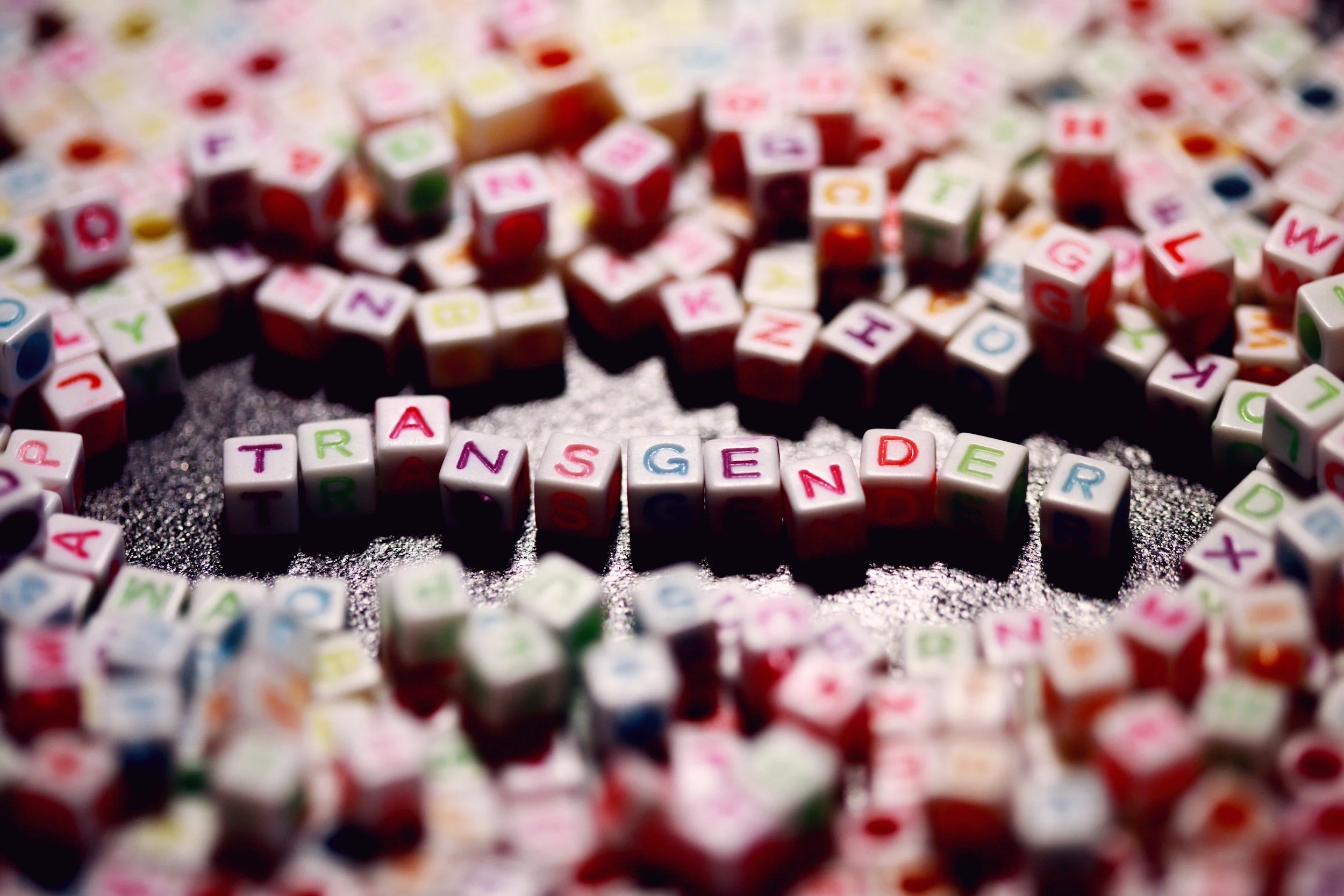
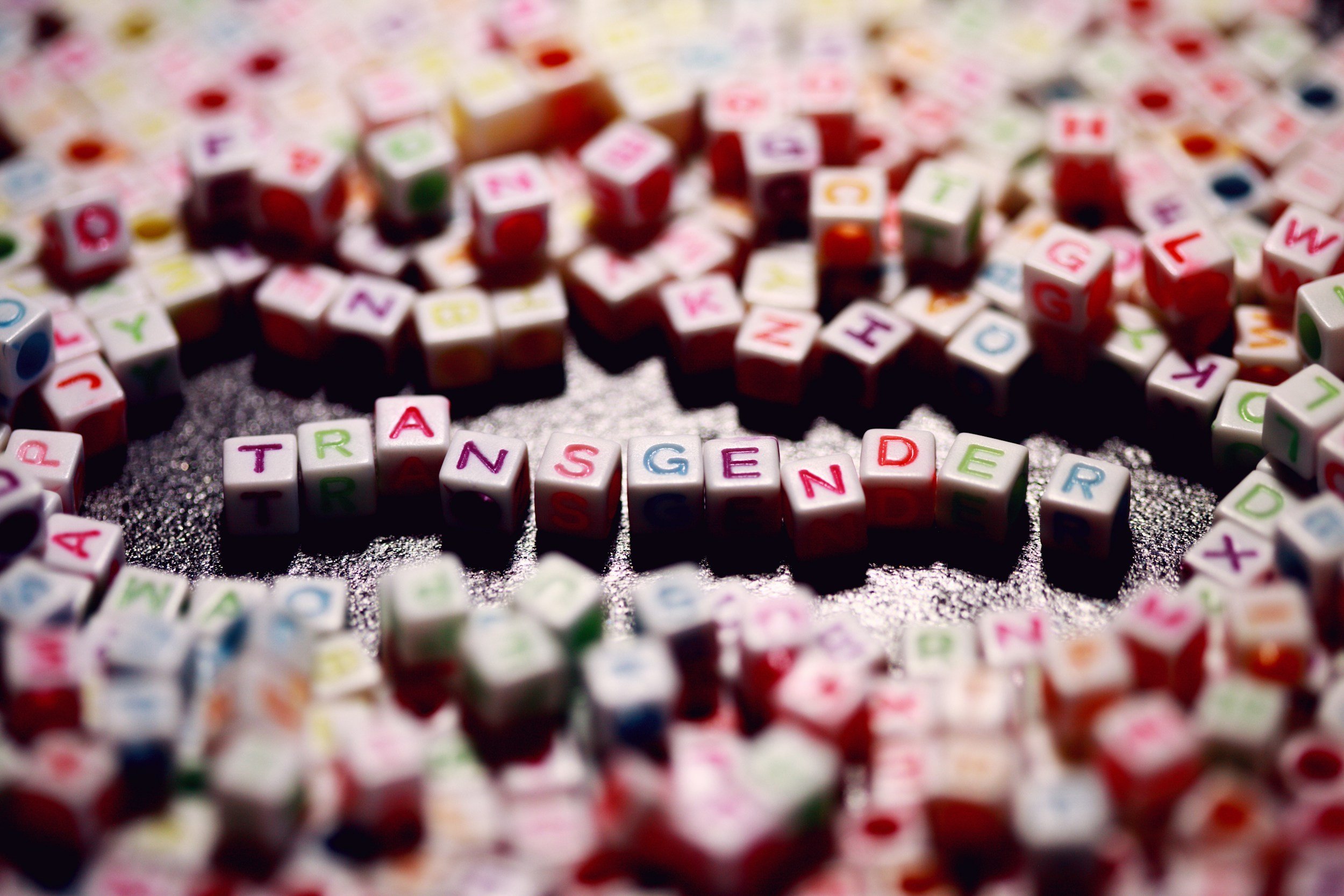
Today, March 31st, is International Transgender Day of Visibility. This holiday is observed annually to recognize and celebrate transgender people and identities, and offers a chance to foster understanding and acceptance among the general public.
In the spirit of this day, I would like to share with you my own experience with transness and how I got to where I am today. Additionally, I would like to talk about 8 unique gender identities that fall under the trans umbrella in the hopes of spreading awareness about how wonderfully diverse the trans community is!
The Signs That Went Unnoticed
For those new to this blog, I am a trans man. That means that I was assigned female at birth, but I later learned that I am a man on the inside. As a result, I have since transitioned to male and live my life as a man. You may see this experience abbreviated as FtM, which stands for female-to-male.
I grew up in a Christian family where LGBTQ2IA+ topics weren’t really discussed. It’s not that my parents viewed it as something to be kept hush-hush, but rather they simply felt there was no reason to discuss those topics. After all, they didn’t know anyone who was gay, trans, or anything other then straight and cisgender (or so they thought), so why would it need to talked about with us kids?
As a child, I enjoyed traditionally feminine things. I played with Barbies and Monster High dolls, wore skirts, and dreamed of one day owning my own horse. I went by she\her pronouns and by my birth name, and I didn’t think about my gender because it wasn’t something that meant anything to me at that age. I simply existed as a human being.
That said, there were signs from a young age that I wasn’t cisgender. I hung out with the boys more often then the girls. I loved catching frogs and playing war at recess just as much as I loved playing with dolls. I have a writing from first grade where I referred to myself as a “he”, and when I imagined what I might look like in the future, I imagined a man more often then not. But those images were always brushed off as something unachievable. I believed I would just have to accept being a girl because becoming a boy wasn’t something that was possible.
Still, as I got older and began approaching puberty, gender dysphoria started to rear its head. Subtly at first. So subtle that my doctors and therapists said it was depression and anxiety, completely missing the underlying cause of those symptoms. I wasn’t even aware of what was really going on. I became horribly suicidal and self-harm became a regular part of my life. At the same time, I began to dress more masculine without even realizing. It soon got to a point where my whole family and my friends described me as a tomboy, and I felt proud of that label. I realize now that that pride I felt was actually gender euphoria.
A Life-Changing Video
I remember vividly the day I realized I was trans. I was 12, laying in bed, playing on my phone, when a YouTube notification popped up on my screen. It was from a YouTuber I enjoyed watching at the time. The video had a simple title: “I’m Transgender”.
My curiosity was peaked. As I mentioned, LGBTQ2IA+ topics weren’t discussed in my household. I barely knew what a gay person was, let alone what the word “transgender” meant. I clicked on the video. As this YouTuber explained what “transgender” meant and described their own experiences with being trans, it was like a lightbulb switched in my head. Suddenly, it all made sense. The way I’d always related more to the guys then the girls, the way I always imagined my future self as a man instead of a woman, the reason that I was such a “tomboy”.
I wasn’t a tomboy.
I was simply a boy.
I remember the excitement I felt when this YouTuber described that they were taking HRT, and I realized that I didn’t have to live as a girl. I could be a boy. Right then, the impossible became possible to me. I no longer had to brush off that future version of myself I had imagined for as long as I could remember.
That excitement was quickly replaced with another realization, this one much more daunting. Here was a part of me that I knew nothing about. I had no idea how to navigate it or what it meant for my life. And I had even less of an idea how I was going to tell my parents that their daughter was actually their son. It’s something cisgender folks don’t have to worry about, and therefore nobody had prepared me to have such a conversation. I was at a loss and scared of what my parents would think.
Coming Out & The Journey to Transition
Have you ever been so nervous that you thought you were going to throw up? That was how I felt as I stared at my phone, waiting for my mom’s response. On my screen was the text I’d just sent,
“Mom, please don’t hate me. But I think I’m transgender.”
I was standing in the school cafeteria on lunch break. I swear, minutes had never gone by so slowly before in my life. Imagine my confused mix of relief and hurt when a message finally came back,
“No, you’re not.”
I typed back, “Yes, I am. I’m sorry.” Another minute.
“Okay.”
That was it. That was the discussion, and my mom then told my dad what I’d said.
As you might guess, my parents weren’t the most supportive of my identity at first. In fact, it took years for them to come to terms with my transness. Those years were filled with arguments, long conversations, guilt, and tears. I recall two psyche ward visits, a trip to the psychiatrist, and years of therapy with a youth therapist. It was a miserable time of my life.
But slowly, my parents came around to my identity, and they are now some of my best allies! At the age of 16, I was finally able to get into the gender clinic that I had been on the waitlist for for 3 years. Here began my medical transition.
My Medical Transition & The Present Time
On my second visit to the gender clinic, about a month after my first visit with them, I was finally given my first shot of testosterone. The doctor and I had a lengthy discussion about the side effects and the risks, and I was given the option to preserve my eggs for future use because testosterone can cause problems with fertility. I then signed an informed consent form to say that I understood the risks, and finally, I was shown how to give myself a testosterone injection! The feeling walking out of that hospital afterwards was incredible; I had taken a massive step towards living authentically, and I felt proud to have reached that point in my life. I had shown my younger self that the impossible was possible. I had survived to see a moment that I didn’t think I’d let myself live long enough to see. That is an incredible feeling.
In November of 2024, I had my hysterectomy. Another massive step in my medical transition. In the upcoming months, I’ll be having my top surgery. And in the further future, bottom surgery.
People who have anti-trans sentiments love to tell trans folks that we’ll regret transitioning. But it’s been 5 years since that first shot of testosterone, and I can confidently say that it was the best decision I’ve ever made. While I still suffer from mental illness and occasional bouts of depression, I can deal with those issues so much easier then I could before. I’m happier, more confident, and I have an undying love for life! My body no longer feels like a prison that I’m trapped in. Instead, I see it as a sacred vessel that allows me to experience this world and all it’s beauty. My body is my precious home that I no longer wish to harm. My body bears the scars of a battle that almost killed me, but it also bears the marks of creation, bravery, resilience, and self-love. That is the beauty of allowing trans people access to the healthcare that we need. That is why I’ll fight anyone and anything that tries to take that care away.
Bonus: 8 Identities Under The Trans Umbrella
You’ve heard of trans men and trans women. But did you know that these aren’t the only identities that fall under the transgender umbrella? Below, you’ll find 8 more unique identities that are part of this wonderful community!
Genderfluid - This term, like transgender, can be used as a label on its own or can be used as an umbrella term. People who are genderfluid fluctuate between more then one gender and may change how they present themselves to match how they feel. For example, someone could wake up feeling like a man but then begins to feel like a woman in the evening. Some peoples’ gender changes in response to their surroundings or the music they’re listening to, while other peoples’ gender might change at random.
Bigender - Bigender is a term that can fall under the genderfluid umbrella. Bigender people experience two genders, either simultaneously or at different times. It is differentiated from genderfluid by being strictly 2 genders, while genderfluid people may experience more then 2 genders.
Two-Spirit - Two-Spirit is a term that is exclusive to Indigenous peoples, usually those of so-called North America. It describes a person who fulfills a traditional 3rd gender role within their Indigenous culture. This gender role varies from culture to culture, and some cultures didn’t traditionally have a 3rd gender role and still don’t. Two-Spirit people may also or alternatively identify with a traditional term from their language that describes their gender more accurately then Two-Spirit. Again, this term is exclusive to Indigenous people and should not be used by outsiders.
Agender - An agender person is someone who does not experience a gender at all, or who does not experience a strong connection to any gender.
Demigender - Demigender describes the experience of having a strong connection to one gender and a weaker connection to another gender. It is similar to bigender in that it involves experiencing two genders at once.
Xenogender - A xenogender person is someone who’s experience of gender falls outside of human understandings, and instead may be described as feeling more closely linked to animals, plants, objects, or even concepts. This term is most often used by people who are neurodivergent, though it can be used by anyone.
Genderflux - Genderflux is a term that describes a gender that fluctuates in intensity. For example, someone could feel strongly female one day, but then feel almost agender the next.
Genderqueer - Genderqueer is an umbrella term that describes anyone who falls outside of binary gender norms. It could include binary trans people, nonbinary people, and even cisgender crossdressers. Some people may also use this term when they’re unsure of their label, but know that they aren’t cisgender.
Thank you for reading, and I hope you enjoyed! If you have any trans friends or family, remember to tell them that you love them. Happy Trans Day of Visibility!